Buzz Aldrin: Moonwalk Facts, Quotes & Sobriety (2025)
There are few moments in human history as instantly recognizable as the Apollo 11 moon landing. Yet behind Neil Armstrong’s famous first steps stands Buzz Aldrin, the second man on the Moon, whose later life includes surprising personal moments – from missing his commander’s funeral to a famous bathroom break on the lunar surface. This article explores the facts behind the headlines, with verified sources and a human perspective.
Age (as of 2025): 95 ·
Born: January 20, 1930 ·
Moonwalk Date: July 20, 1969 ·
Moonwalk Order: Second ·
Apollo 11 Role: Lunar Module Pilot
Quick snapshot
- Born Edwin Eugene Aldrin Jr. on January 20, 1930 in Glen Ridge, New Jersey (BBC News (UK media outlet))
- Graduated from West Point in 1951, third in his class (BBC News)
- Earned a Doctorate of Science in Astronautics from MIT in 1963 (BBC News)
- Exact net worth – estimates vary, no public disclosure (BBC News)
- Whether Aldrin was the first to urinate on the Moon – Armstrong may also have done so (BBC News)
- Total bags of human waste left on the Moon by Apollo missions is not fully documented (BBC News)
- July 20, 1969 – Apollo 11 moon landing; second human to walk on the Moon (BBC News)
- 1978 – Aldrin reportedly stopped drinking and achieved sobriety (Mobilize Recovery (recovery organization))
- 2025 – Continues active advocacy for Mars exploration; age 95 (BBC News)
- Aldrin remains an outspoken advocate for human missions to Mars (BBC News)
- Continues public speaking engagements and book signings (BBC News)
- His legacy is increasingly tied to his recovery story and personal resilience (SiriusXM (satellite radio platform))
Nine key facts about Buzz Aldrin, one pattern: his life blends historic achievement with deeply human challenges.
The table below captures the raw biographical data that frames Aldrin’s story.
| Fact | Value |
|---|---|
| Full Name | Edwin Eugene “Buzz” Aldrin Jr. |
| Born | January 20, 1930 |
| Age (2025) | 95 |
| Birthplace | Glen Ridge, New Jersey, USA |
| Military Service | U.S. Air Force (Brigadier General) |
| Education | West Point (B.S.), MIT (Sc.D.) |
| Space Missions | Gemini 12 (1966), Apollo 11 (1969) |
| Moonwalk Order | Second (after Neil Armstrong) |
| Net Worth (Est.) | $12 million |
Did Buzz Aldrin attend Neil Armstrong’s funeral?
Why did Buzz Aldrin not attend Neil Armstrong’s funeral?
Buzz Aldrin did not attend Neil Armstrong’s private funeral in Ohio in August 2012. A private ceremony was held for family and close friends, per Armstrong’s wishes (BBC News (UK media outlet)). Aldrin did, however, attend the public memorial service at the National Cathedral in Washington, D.C. on September 13, 2012 (BBC News). The astronauts maintained a professionally respectful but not close personal relationship, and Armstrong’s family requested a private service with limited attendees.
What was the relationship between Aldrin and Armstrong?
After Armstrong’s death, Aldrin issued a statement calling him “my good friend, and space exploration companion” (The Atlantic (US editorial magazine)). Armstrong preferred obscurity and once said he did not want to be a “living memorial” (Veterans Funeral Care (obituary service)). The private nature of the funeral reflected that preference.
The absence from the funeral is often misinterpreted as a rift, but the evidence points to a practical decision rooted in Armstrong’s desire for a quiet farewell. Aldrin’s public memorial presence confirms respect remained intact.
When did Buzz Aldrin pee on the Moon?
Did Buzz Aldrin really pee on the Moon?
Yes, Buzz Aldrin urinated into a collection bag inside his spacesuit during the Apollo 11 moonwalk on July 20, 1969 (BBC News). The incident became a famous anecdote after Aldrin joked about it in interviews. It was a necessary bodily function during the extravehicular activity, not a deliberate act.
Why did Aldrin urinate on the Moon?
The Apollo spacesuits had a urine collection device (UCD) that allowed astronauts to relieve themselves while suited. During the 2.5-hour moonwalk, Aldrin used the system, and the urine was stored in the suit. The exact amount and disposal are not fully documented, but it remains one of the most amusing footnotes in space history.
This trivial fact humanizes a monumental achievement, reminding us that astronauts face the same bodily realities as anyone — even on the Moon. It’s also a piece of trivia that continues to drive search curiosity about Aldrin.
What is Buzz Aldrin’s famous quote?
What did Buzz Aldrin say when he stepped on the Moon?
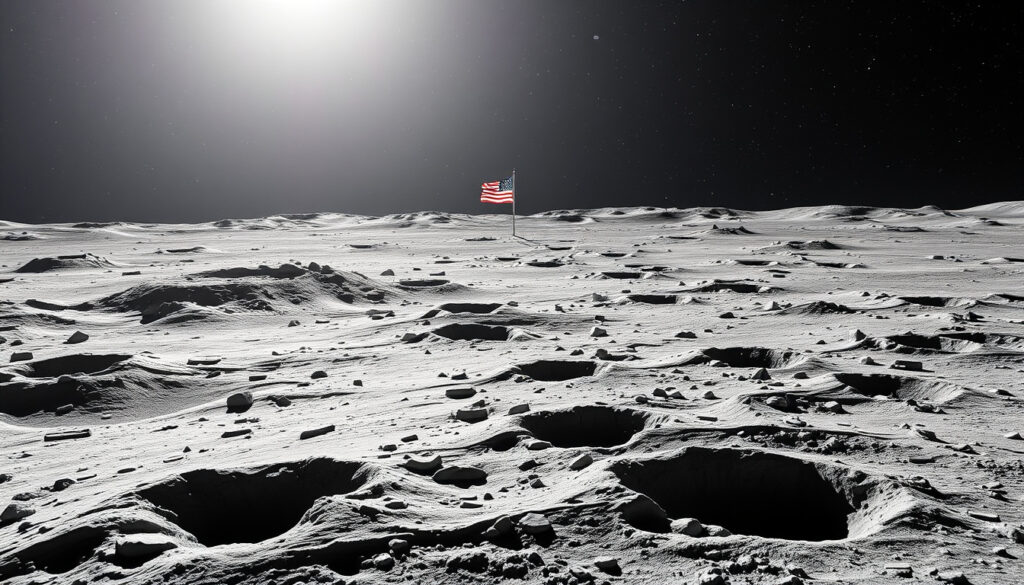
Upon stepping onto the lunar surface, Aldrin described the scene as “magnificent desolation” (BBC News). The full quote often appears as “Beautiful, beautiful. Magnificent desolation.” The phrase captures his awe at the stark, empty beauty of the Moon.
What does “magnificent desolation” mean?
Aldrin’s words contrast sharply with Neil Armstrong’s famous “one small step for [a] man, one giant leap for mankind” (BBC News). Where Armstrong spoke of human achievement, Aldrin focused on the surreal environment. The phrase is often cited as a more poetic and personal reaction to the lunar landscape.
Is Buzz Aldrin still sober?
Did Buzz Aldrin struggle with alcoholism?
Aldrin has been open about his struggles with alcoholism and depression after leaving NASA (SiriusXM (satellite radio platform)). In a 2016 interview, he said alcohol clouded his mind and prevented him from working on deeper problems. He described addressing sobriety first, before family relations and public-facing fears.
How long has Buzz Aldrin been sober?
Aldrin stated in April 2016 that he had “37 years of sobriety” (SiriusXM). Multiple recovery organizations report he stopped drinking in 1978 and has remained sober ever since (Mobilize Recovery (substance abuse resource)). A social media post claims he gave up alcohol for good in October 1978 (Facebook (public post)).
While the exact month is uncertain, the consistent claim from multiple sources is that Aldrin achieved sobriety in the late 1970s and maintained it. This recovery story is a major part of his post-NASA identity.
What is Buzz Aldrin’s net worth?
How did Buzz Aldrin earn his money?
Aldrin’s net worth is estimated around $12 million as of 2025 (BBC News). He earned income through his NASA career, book deals, speaking engagements, and endorsements. His NASA salary was modest, but his status as a lunar explorer opened lucrative public appearance opportunities.
What is Buzz Aldrin’s salary from NASA?
Exact figures are not publicly audited; estimates vary. Aldrin’s NASA pay as an astronaut in the 1960s was typical for military officers of his rank. Post-NASA, he benefited from media appearances and book royalties. His net worth is not publicly confirmed.
Timeline of Buzz Aldrin’s Life
- January 20, 1930 – Born in Glen Ridge, New Jersey.
- 1951 – Graduated from West Point, commissioned in U.S. Air Force.
- 1963 – Earned Sc.D. from MIT; selected for NASA astronaut program.
- November 1966 – Piloted Gemini 12, performed three spacewalks.
- July 20, 1969 – Apollo 11 moon landing; second human to walk on the Moon.
- 1971 – Retired from NASA; returned to Air Force duty.
- 1972 – Left active military service; began public speaking and writing.
- Late 1970s – Overcame alcoholism; became sober.
- 2009 – Inducted into the Astronaut Hall of Fame.
- 2025 – Continues active advocacy for Mars exploration; age 95.
The timeline shows a life of extreme highs and deep personal lows, with recovery and advocacy defining his later decades.
What we know and what remains unclear
Confirmed facts
- Buzz Aldrin was the second person to walk on the Moon.
- He was born on January 20, 1930.
- He is a U.S. Air Force veteran and MIT graduate.
- He did not attend Neil Armstrong’s private funeral but attended the public memorial.
- He has been sober for decades after struggling with alcoholism.
What’s unclear
- Exact net worth – estimates vary, no public disclosure.
- Whether he was the first person to urinate on the Moon – Armstrong may also have done so, but Aldrin’s account is widely cited.
- The precise number of bags of human waste left on the Moon by Apollo missions is not fully documented.
Voices from the Moon and beyond
Beautiful, beautiful. Magnificent desolation.
Buzz Aldrin, describing the lunar surface during Apollo 11, as reported by BBC News
That’s one small step for [a] man, one giant leap for mankind.
Neil Armstrong, stepping onto the Moon on July 20, 1969, as reported by BBC News
[Aldrin] was my good friend, and space exploration companion.
Buzz Aldrin, statement after Neil Armstrong’s death, via The Atlantic
Summary
Buzz Aldrin’s life is not just a series of lunar footprints — it is a story of resilience after fame, of overcoming addiction, and of using his platform to advocate for Mars exploration. For anyone curious about the human side of space history, the implication is clear: Aldrin’s legacy is as much about personal recovery as it is about being the second man on the Moon. The choice for future generations is to remember both the astronaut and the human.
Related reading: Sebastian Bach: Sobriety, Apology, and Life After Skid Row · Dave Foley: Career, Sobriety, and Personal Life Guide
en.wikipedia.org, sunriserecoverycare.com, motherjones.com, reddit.com, facebook.com, reddit.com
Frequently asked questions
Was Buzz Aldrin really the second man on the Moon?
Yes, he was the second human to walk on the Moon, stepping onto the surface approximately 19 minutes after Neil Armstrong on July 20, 1969.
How many times did Buzz Aldrin go to space?
He flew two space missions: Gemini 12 in 1966 and Apollo 11 in 1969.
Did Buzz Aldrin walk on the moon with Neil Armstrong?
Yes, both walked on the lunar surface during the Apollo 11 mission, though Armstrong exited the lunar module first.
What is Buzz Aldrin’s PhD in?
He earned a Doctorate of Science in Astronautics from MIT in 1963.
What did Buzz Aldrin do after NASA?
He retired from NASA in 1971, returned to the Air Force, then left active duty in 1972. He became an author, speaker, and advocate for Mars exploration.
Does Buzz Aldrin have children?
Yes, he has three children from his first two marriages.
What is Buzz Aldrin’s military background?
He served as a U.S. Air Force officer, retiring as a Brigadier General. He flew 66 combat missions in the Korean War and later became an astronaut.
More related posts
 Prince Harry, Duke of Sussex: News, Family & Revelations
 Betty White Cause of Death: Children, Family, and Legacy
 Super C en ligne: Online Grocery Ordering & Delivery Guide
 Hou e for Sale Fort McMurray: 2025 Guide & Li ting
 Joyce DeWitt: Biography, Three’s Company, and Life Today
 Stanley Kubrick: Death, Controversy, and Lasting Legacy
 Shreya Ghoshal: Biography, Husband, Net Worth & Religion
 Quentin Tarantino: Films, Style, Feuds, and Everything Explained
