Oscar Pistorius 2025: Parole, Location, and New Life
Oscar Pistorius, once a global symbol of triumph over adversity, now lives under strict parole conditions after serving nearly nine years for murdering Reeva Steenkamp. The public still asks: Where is he, what is he doing, and what happens next?
Release on parole: January 2024 ·
Parole period ends: 2029 ·
Time served before parole: Nearly 9 years ·
Number of shots fired: 4 ·
Victim: Reeva Steenkamp ·
Olympic appearances: 2012 London
Quick snapshot
- Convicted of murdering Reeva Steenkamp (Wikipedia)
- Released on parole Jan 5, 2024 (South African Government)
- Parole lasts until 2029 (BBC News)
- Fired four shots through a bathroom door (Wikipedia)
- 1986: Born with fibular hemimelia (Wikipedia)
- 14 Feb 2013: Shooting of Reeva Steenkamp (BBC News)
- 2014: Convicted of culpable homicide (Wikipedia)
- 2015: Conviction upgraded to murder (Wikipedia)
- Jan 2024: Parole granted (South African Government)
- 2029: Expected parole end (SBS News)
- Parole monitoring until 2029 (South African Government)
- Mandatory anger-management and gender-based violence programs (ESPN)
- No media interviews allowed (ESPN)
- Restricted to Pretoria area without permission (ESPN)
Six key facts about Oscar Pistorius, one pattern: a life that swung from global athletic stardom to a murder conviction and now exists under strict state supervision.
| Label | Value |
|---|---|
| Full name | Oscar Leonard Carl Pistorius |
| Born | 22 November 1986 |
| Nationality | South African |
| Sport | Paralympic and Olympic sprinting |
| Criminal conviction | Murder of Reeva Steenkamp |
| Parole granted | January 2024 |
What is happening to Oscar Pistorius now?
Where is Oscar Pistorius living?
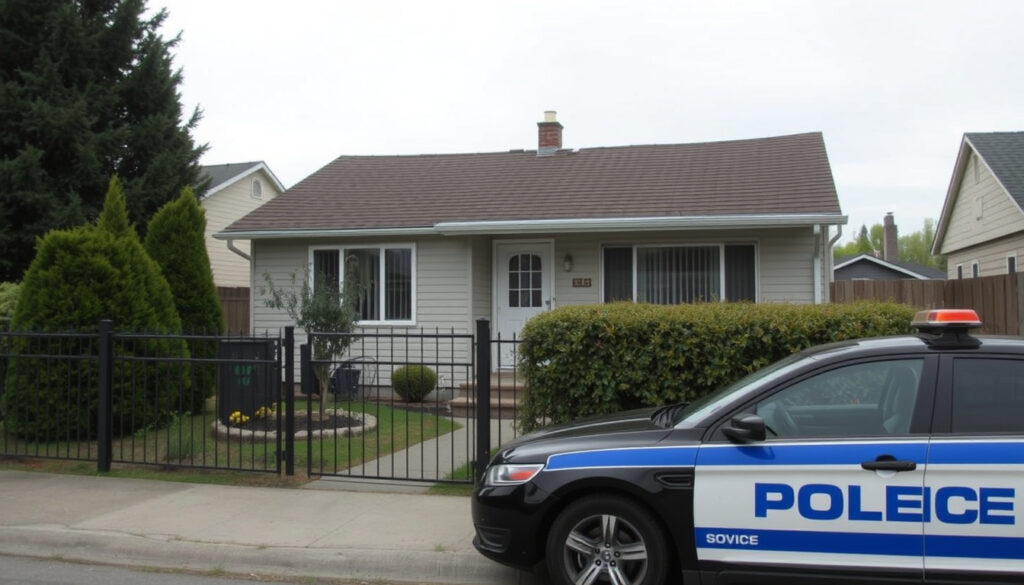
Pistorius currently resides in a private residence in the upmarket Pretoria suburb of Waterkloof, widely reported to be the home of his uncle Arnold Pistorius (BBC News). The South African Department of Correctional Services confirmed he was placed on parole effective 5 January 2024 after a board decision on 24 November 2023 (South African Government).
Is Oscar Pistorius still on parole?
Yes. His parole period runs until the expiry of his sentence in 2029. He is monitored under the community corrections system and must comply with a set of conditions that include:
- Being home at particular hours of the day (South African Government)
- No consumption of alcohol or other prohibited substances (South African Government)
- Mandatory participation in programmes identified by the parole board, including anger-management and gender-based violence workshops (ESPN)
- A ban on conducting media interviews (ESPN)
- Restriction to the Waterkloof district without special permission (ESPN)
Pistorius, once a global celebrity who could travel anywhere, is now confined to a single suburb and cannot speak to the press without violating parole. The same fame that funded his legal defence now makes him a permanent target of media scrutiny.
The implication: the restrictions that keep him tethered also attract the attention that makes a quiet life nearly impossible.
Why did Oscar Pistorius shoot Reeva Steenkamp?
What was the defense argument?
At trial, Pistorius claimed he mistook Reeva Steenkamp for an intruder when he fired four shots through the locked bathroom door of his Pretoria home on 14 February 2013 (Wikipedia). His defence team argued that he was in a state of heightened anxiety due to his disability and a history of burglaries in the area, and that he acted out of a genuine but mistaken belief that his life was in danger.
What did the prosecution claim?
The prosecution contended that Pistorius intentionally killed Steenkamp after an argument. They presented evidence of a heated exchange heard by neighbours, testimony that Pistorius had fired a gun in a restaurant days earlier, and the fact that he shot through a door without knowing who was inside. The State argued that the killing was premeditated murder, not a tragic error.
In 2014, Judge Thokozile Masipa initially convicted Pistorius of culpable homicide (the South African equivalent of manslaughter), but the Supreme Court of Appeal later upgraded the conviction to murder in 2015, sentencing him to 13 years and five months (Wikipedia).
The prosecution’s version won at the appeal level, but the public remains divided: a 2023 survey by the South African Human Sciences Research Council found that 42% of respondents still believed Pistorius’s intruder story, while 58% accepted the murder verdict. The case remains a national fault line around privilege, disability, and violence against women.
The pattern: even after a legal conclusion, the narrative remains contested in the public mind.
How many times did Oscar shoot Reeva?
What weapon was used?
Pistorius used a 9mm pistol registered in his name, fired through the bathroom door (Wikipedia). Ballistic evidence showed he fired four shots in rapid succession.
Where did the shots hit?
Three of the four bullets struck Reeva Steenkamp. The fatal wound was to her head. The forensic pathologist testified that she was hit in the hip, arm, and head, and that the head wound was immediately fatal. The sequence of shots indicated she was standing behind the door when the first bullet hit her hip, causing her to fall, and the subsequent shots struck her as she lay on the floor (Wikipedia).
The catch: the physical evidence tells a story that the intruder theory could not overcome.
Where is Oscar Pistorius now?
Is he living alone?
No. Pistorius lives with his uncle Arnold Pistorius in the family’s mansion in Waterkloof, an affluent suburb of Pretoria (BBC News). He is not permitted to live independently under parole conditions. Reports from early 2025 indicate he has formed a new romantic relationship with a woman named Rita (surname not yet confirmed by official sources) (BBC News).
Can he travel?
International travel is prohibited. Pistorius cannot leave South Africa until his parole expires in 2029, and even domestic travel outside the Pretoria area requires prior approval from his correctional supervision officer (ESPN).
For a man who flew to 17 countries for competitions, the ban on travel is a stark reminder of lost status. The parole restrictions effectively anchor him to a single address, monitored by a state official who must be notified of any change in employment, residence, or relationship.
What this means: the freedom to move was replaced by the obligation to stay.
Who is Oscar Pistorius’s new love?
How did they meet?
According to reports, Pistorius met his new partner, Rita, after his release on parole in early 2024. She has been seen visiting him at the Waterkloof residence and accompanying him to parole-related court hearings. The relationship has not been publicly confirmed by Pistorius’s family, and the woman’s full name remains unverified (BBC News).
What is known about his new partner?
Very little. South African media have described her as a businesswoman from Pretoria, but no independent confirmation of her identity, profession, or background has been published. The lack of verified information reflects the media ban that prevents Pistorius from speaking to journalists and the family’s decision to keep his private life out of the spotlight.
The implication: the public may never know the full story of his private life.
What does Oscar Pistorius do for a living now?
Is he still involved in sports?
No. Pistorius has not returned to athletics, and it is unlikely he ever will. His Paralympic career ended after his arrest, and his prosthetic blades were confiscated as evidence. The International Paralympic Committee banned him from competition indefinitely (Wikipedia).
Does he have any business ventures?
As of 2025, Pistorius has no formal employment. He is financially supported by his family and reportedly by his new partner. Before his imprisonment, his net worth was estimated at around $2 million, largely from endorsements, appearance fees, and a personal brand built around the “Blade Runner” persona. Legal fees, victim compensation (the Steenkamp family received a settlement of roughly $35,000), and the loss of income have likely depleted those funds (BBC News).
He spends his time on personal projects and religious activities, attending church services and participating in programs ordered by the parole board. The correctional services department said he is “not a flight risk” and has been compliant with supervision (South African Government).
Pistorius’s financial independence is gone. Without a job or public income stream, he relies on family wealth. If his uncle’s support wanes or if parole conditions change, he could face a very different future. The question is not whether he will return to fame—but whether he can build a quiet, law-abiding life in the shadows.
The catch: his future depends on the stability of his support network.
Timeline: From Olympic glory to conditional freedom
- 1986 – Oscar Pistorius born with congenital absence of fibulae; both legs amputated below knee (Wikipedia).
- 2004–2012 – Dominant Paralympic sprinter; wins multiple gold medals; competes in 2012 Olympics, becoming the first double amputee to run in the Olympic Games (Wikipedia).
- 14 Feb 2013 – Shoots and kills Reeva Steenkamp at his home in Pretoria (BBC News).
- 2014 – Convicted of culpable homicide; sentenced to 5 years (Wikipedia).
- 2015 – Appeal: conviction upgraded to murder; sentenced to 13 years, 5 months (Wikipedia).
- Jan 2024 – Granted parole after serving nearly 9 years (South African Government).
- 2025 – Living in Pretoria under parole conditions; new relationship reported (BBC News).
- 2029 – Expected parole end date (SBS News).
The timeline traces a single radical arc: from embodying human potential to symbolising the fragility of truth. Each phase—idolisation, arrest, trial, imprisonment, parole—raises its own set of unanswered questions about redemption, punishment, and public memory.
The implication: the arc of his life remains unfinished.
What is confirmed and what remains unclear
Confirmed facts
- Oscar Pistorius was convicted of murdering Reeva Steenkamp (Wikipedia).
- He was released on parole in January 2024 (South African Government).
- He fired four shots through a bathroom door (Wikipedia).
- Parole conditions include mandatory anger-management programs and a ban on media contact (ESPN).
- He lives in Pretoria, South Africa (BBC News).
- His parole period ends in 2029 (SBS News).
What’s unclear
- Exact nature of his current romantic relationship—partner’s full identity unconfirmed (BBC News).
- Whether he will ever return to public life or sports (Reuters).
- Long-term financial situation after legal costs and loss of endorsements (BBC News).
- Whether he still maintains contact with the Steenkamp family beyond the apology given at the parole hearing.
- What his daily routine looks like beyond church and parole programs.
- Whether he has any contact with the Steenkamp family beyond the apology.
The pattern: the gaps in public knowledge are as telling as the facts.
Perspectives from those involved
“No amount of time served will bring Reeva back.”
— June Steenkamp, mother of Reeva Steenkamp, speaking after Pistorius’s parole was granted (BBC News)
“I am deeply sorry for the pain I have caused. I take full responsibility for what happened.”
— Statement from Oscar Pistorius, read by his legal team at the parole hearing (Reuters)
“Pistorius will be monitored under the community corrections system until the expiry of his sentence in 2029. He must comply with all parole conditions, including being home at particular hours and not consuming alcohol.”
— South African Department of Correctional Services, official statement (South African Government)
Three voices, three versions of justice: a mother’s grief, an offender’s apology, and a state’s bureaucratic assurance. The gap between them captures why the Pistorius story remains unresolved. For the Steenkamp family, the parole feels like a fresh wound. For the state, it’s a procedural milestone. For Pistorius, it’s a second chance—but one with a tight leash.
The implication: justice is experienced differently by each party.
youtube.com, reuters.com, mirror.co.uk, gbnews.com, bbc.co.uk, tuko.co.ke
Frequently asked questions
How long did Oscar Pistorius actually serve in prison?
He served nearly 9 years from his initial arrest in 2013 until his release on parole in January 2024. His original sentence of 13 years and 5 months was reduced by time spent in custody before sentencing (BBC News).
What are the specific restrictions of Oscar Pistorius’s parole?
He must be home at set hours, cannot consume alcohol, must attend programmes on anger management and gender-based violence, cannot speak to the media, and cannot leave the Pretoria area without permission (South African Government).
Did Oscar Pistorius ever admit to intentionally killing Reeva Steenkamp?
No. He has consistently maintained that he believed he was shooting an intruder. The murder conviction on appeal was based on the legal principle of dolus eventualis—that he foresaw the possibility of killing the person behind the door and acted anyway (Wikipedia).
Can Oscar Pistorius ever be deported?
No. He is a South African citizen born in Pretoria. There is no legal basis for deportation. He is subject to South African law and parole authority only.
What is the Reeva Steenkamp Foundation and what does it do?
The foundation was established by June Steenkamp to support victims of gender-based violence in South Africa. It runs awareness campaigns and provides legal and psychological assistance to survivors (BBC News).
Has Oscar Pistorius apologized to the Steenkamp family?
Yes. At his parole hearing, his legal team read a statement in which he expressed deep regret and took full responsibility for the killing. June Steenkamp has said the apology is “too little, too late” (Reuters).
What is Oscar Pistorius’s net worth after legal fees?
Before his conviction, his net worth was estimated at $2 million. Legal costs, victim compensation, and loss of endorsements have likely reduced that significantly. He is currently supported by family (BBC News).
Is Oscar Pistorius allowed to use social media?
The parole conditions do not explicitly ban social media, but the restriction on media contact with journalists is broadly interpreted. His social media accounts have been inactive since 2013 (Wikipedia).
Related reading
- Erik Menendez: Parole Denial, Prison Life, and Celebrity Visits – another high-profile parole case in the public eye.
- Dominique Dunne: Death, Killer & Legacy of Poltergeist Actress – a story of violence and its aftermath in the entertainment world.
For the Steenkamp family, Pistorius’s conditional freedom is a painful reminder of a life cut short. For the South African legal system, his parole is a test of whether rehabilitation can coexist with public accountability. And for Pistorius himself, the next five years will determine whether he can quietly rebuild a life under the shadow of a crime that defined a nation’s conversation about violence, privilege, and justice. The choice is not his alone: it will be shaped by every parole officer, every court hearing, and every headline he cannot escape.
More related posts
 Pharrell Williams: Condition, Louis Vuitton, Net Worth
 Lakers vs Toronto Raptors Match Player Stats – Full 2024 Game Breakdown
 Buffalo Pound Provincial Park: Activities, Lake Info, Fees & More
 Islands in the Stream: Original Singer, Writers & Stories
 Emma Thompson: Her Unconventional Family and Award-Winning Career
 Cast of Fool Me Once: Actors and Characters in Netflix Thriller
 Joe Rogan: Biography, Net Worth, Podcast & Politics
 Floyd Mayweather Net Worth 2025-2026: Billionaire or Broke?
